
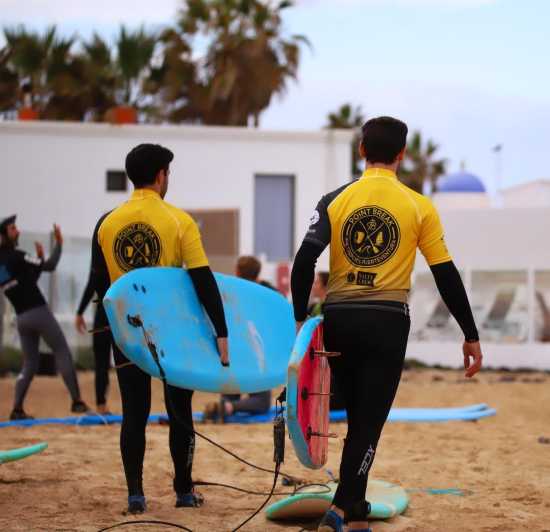
Reviewed · FUERTEVENTURA SURF LESSONS
Fuerteventura: 3-Days Surf Lesson for Beginners in Corralejo
Surfing lessons are easier when the beach does half the work. Here you learn on beginner-friendly breaks with certified instructors, and you’re not stuck with a rigid schedule that ignores wind and tide. I especially like that the course aims to move you step by step—from foam rides to catching small green waves—without pretending you’ll master everything on day one.
Two things I really liked: the teaching team’s credentials (ISA, FCS, FES) and the practical flow (theory, warm-up, water time, then stretching). One drawback to consider is that the lesson time isn’t fixed; you confirm by message and the school adjusts for conditions, so you’ll need to stay flexible the day before.
In This Review
- Key Points at a Glance
- Corralejo Surf Lessons That Actually Fit Beginners
- What You’ll Do in Those 4 Hours (And Why It’s Not Just Chasing Waves)
- The Wave Progression: Foam First, Then Green Waves
- Instructors, Credentials, and the Safety Reality Check
- Equipment, Transfers, and the Value of Not Guessing
- Where You Meet: Buendia Hotel and Point Break Watersports
- What to Bring (So You Don’t Waste Your First Session)
- Timing and Weather: The Lesson Runs on Conditions, Not a Clock
- Who This Is Best For (And Who Should Skip It)
- Corralejo as a Learning Base: Why This Local Approach Works
- Price, Value, and Whether $59 Makes Sense
- Small Group Reality: Why Max 8 Matters
- My Booking Advice: How to Get the Best Version of This Lesson
- Should You Book This Beginner Surf Lesson?
Key Points at a Glance
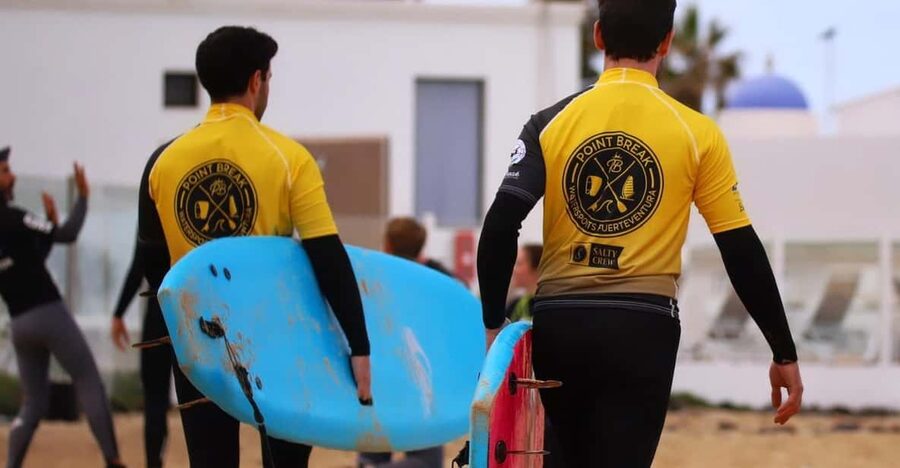
- Certified ISA/FCS/FES instructors for first-time technique and solid coaching
- Max 8 students per instructor, so you’re not lost in a crowd
- 4 hours total including transfers, because reaching the best spot is part of the lesson
- Beginner breaks: sandy beach surf or easy reef breaks, aiming for safer learning
- Step-by-step progression from already-broken waves to small, easy green waves
- Equipment and legal insurance included, so you’re covered while you learn
Corralejo Surf Lessons That Actually Fit Beginners
Corralejo in Fuerteventura has a lot going for it if you’re new to surfing: you can find spots where waves behave in ways that teach better habits. This lesson is built around that idea. Instead of tossing you into whatever surf is happening, they plan your session around the best spot of the day and the best moment, based on weather and sea conditions.
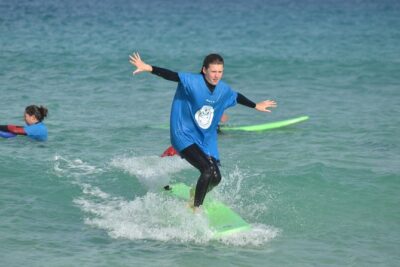
What makes the whole setup feel smart is how beginner-focused the wave selection is. You’ll surf waves that break on sandy beaches or easy reef breaks, which matters because the learning process goes smoother when you’re not dealing with extreme power or complicated takeoffs. You also start by riding the foam of waves that have already broken, then you work toward small, easy green waves that haven’t broken yet—so your brain learns the timing before it has to master the full trick of reading unbroken surf.
More surf lessons on the island beaches
- Fuerteventura: Surfing Lesson in the south of Fuerteventura
★ 4.8 · 354 reviews - Lezioni di Surf per Beginner e Intermedi (6 persone a istruttore)
★ 5.0 · 350 reviews - Fuerteventura: Surf Lesson for All Levels and Ages
★ 4.8 · 205 reviews - Fuerteventura : Corralejo Surf Lesson
★ 4.7 · 186 reviews - Fuerteventura South: Learn to surf on stunning beaches!
★ 4.8 · 162 reviews
What You’ll Do in Those 4 Hours (And Why It’s Not Just Chasing Waves)
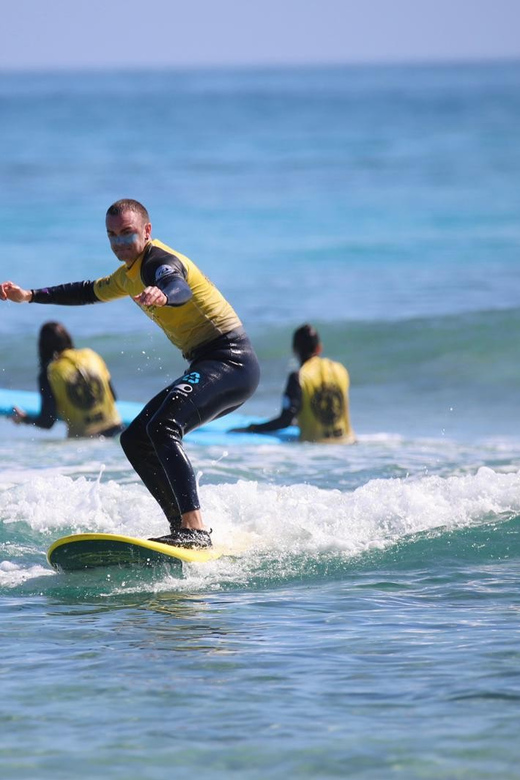
The course lasts about 4 hours total, but the key detail is that this includes the time to arrive at the surf spot and return to the center. In plain terms: you’re paying for a full coaching block, not just a ticket that drops you in the water for one dramatic hour.
The teaching itself has a clear structure. You get a theory part, then a warm-up, then water practice, and finally a stretching period to help you recover and avoid feeling wrecked the moment you’re back on land. That order matters for beginners because it keeps you from doing everything “by vibes.” You’ll understand what you’re trying to do, then you’ll do it in the water, then you’ll come down gently.
Also, the schedule is designed around real conditions. They don’t give you a fixed start time on booking day. After you book, they contact you to confirm the schedule for the following day, and they send the final confirmation between 20:00 and 21:00 the day before so they can match your session to the forecast.
The Wave Progression: Foam First, Then Green Waves
This is one of the most reassuring parts of the lesson. They don’t just say beginner. They describe the learning path: you’ll move gradually from broken waves to catching small, easy green waves.
Here’s why that progression is valuable. When you’re brand new, your biggest problem is usually timing—getting into the right position before a wave reaches you. Riding the foam of waves that have already broken gives you a low-pressure way to practice balance, direction, and the sensation of moving with the wave. Then, when you shift toward small green waves, you’re still in the “easy range,” but now you’re learning to read the wave earlier and commit at the right moment.
If you’ve ever tried something physical and chaotic, you’ll appreciate that this approach reduces the number of unknowns at once. You’re not guessing everything simultaneously. You’re stepping forward in small stages.
Instructors, Credentials, and the Safety Reality Check
The course emphasizes qualified instructors certified by ISA, FCS, and FES. That’s not just a badge for your wall—it usually means the coaching is more consistent. For a first lesson, you want someone who can explain basics clearly and correct technique without adding fear.
The other big safety piece is insurance. The price includes civil liability insurance and accident coverage for sport activities under the applicable active tourism rules in the Canaries. That matters because surfing has a real risk of falls and collisions, even when you’re doing everything right.
Still, a balanced view helps you plan. In the past, people have had very different experiences with guidance quality and on-water feedback. Some felt their instructor was patient, calm, and gave clear help when things felt stressful. Others felt the course lacked demonstrations and didn’t cover safety clearly enough. That contrast doesn’t mean the course is bad—it means you should take safety seriously and ask questions early.
My practical advice: when you meet the instructor, make sure they know you’re a beginner, and ask for one specific thing you want addressed (like how to position on the board or how to handle wipeouts safely). If you don’t get clear safety talk before you get in, it’s fair to request it on the spot. A good surf lesson should feel structured, not thrown-in.
Equipment, Transfers, and the Value of Not Guessing
For $59 for a 4-hour lesson, the value isn’t just the board and wetsuit. The price includes equipment needed for the sport, transfer from their center to the best spot of the day, and the insurance coverage. You’re also getting a small-group format with a maximum of 8 participants per instructor, which improves your odds of actually being coached rather than simply watched.
There is one odd wording detail to be aware of: the included section mentions equipment for kitesurfing safely. The activity itself is a surf lesson, so don’t assume everything is automatically correct. Before your session, you can message the school to confirm exactly what gear you’ll receive for surfing (board, leash, wetsuit, etc.). That one quick check can save you stress on the beach.
Also remember: you’re paying for someone to handle the logistics of finding the right conditions. In a place like Corralejo, that’s a big deal. Wind and tide can change the feel of a break fast, so having a plan that adapts improves your learning.
A few more things Fuerteventura pulls off nicely, picked from our reviews
Where You Meet: Buendia Hotel and Point Break Watersports
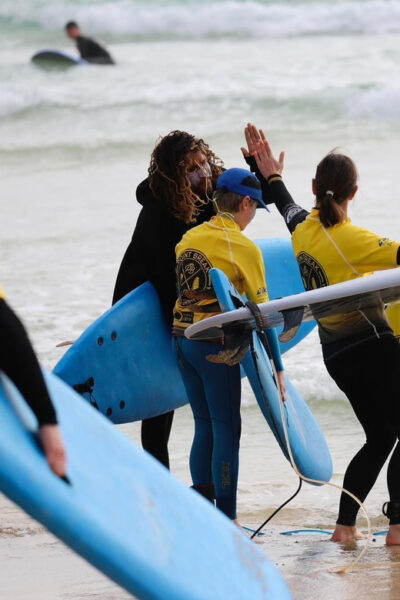
Your meeting point is easy to miss unless you know what to look for. You enter the Buendia hotel. The reception is to the right, and to the left are stairs going down. Go down those stairs and you’ll find the Point Break Watersports store, with the meeting point right in front of the store.
If your class time doesn’t match the store’s opening hours, you don’t need to hunt around. Sit on the chairs outside the store, and the instructor will come to you.
This matters because beginner days can feel chaotic. You’ll be thinking about suit fit, sunscreen, and whether your board is the right size. A clear meeting point reduces the chance you show up late or stressed.
What to Bring (So You Don’t Waste Your First Session)
The lesson is provided with what you need for the water, but you still bring the personal essentials. Bring:
- a change of clothes
- a towel
- sunscreen
- water
- comfortable clothes and beachwear
I’d also add one smart habit: wear something easy to peel off after the surf. You’ll likely be warm, then cold, then soaked, and you’ll want a fast path back to dry and comfortable. That’s not glamorous, but it keeps the rest of your day from turning into a misery parade.
Timing and Weather: The Lesson Runs on Conditions, Not a Clock
The school confirms your plan the day before between 20:00 and 21:00. Once you book, they contact you to define your lesson time, and that time can change based on wind, tide, spot, and wave type.
So how should you handle this if you’re planning other activities? Keep your day open-ish. Treat the surf lesson as the anchor. If you’re trying to book a dinner at a fixed time, plan for the lesson time to drift.
Also note: if you book after 21:00, the office says your schedule will be 2 days later. So if you’re traveling on a tight timeline, don’t leave everything to the last night.
Who This Is Best For (And Who Should Skip It)
This course is designed for two types of people: total beginners and people who surfed once in the past but want to start again with the right moves. If you’re returning after a long break, the theory + warm-up + structured progression can feel like a reset button.
It’s not suitable for children under 15 and it isn’t for wheelchair users, based on the provided info. If you’re in that category, look for options designed for your needs.
If you want to learn fast, but you hate random confusion in the water, you’ll probably like this format. If you’re the type who expects a very hands-on demonstration for every tiny step, you might want to ask what happens before you go in—because experiences with feedback can vary.
Corralejo as a Learning Base: Why This Local Approach Works
This isn’t a lesson that tries to teach you surfing by forcing one location and one wave type. The approach is to pick the conditions that make beginners succeed.
For you, that means:
- you’re more likely to get appropriate wave size
- you’ll practice on waves that break on sandy beaches or easy reefs
- you’ll spend more time learning and less time fighting the wrong conditions
Even the transport choice supports learning. If you’re new, you don’t want to waste energy wandering between spots, guessing what’s good, and arriving already tired. A transfer to the best break of the day keeps your focus on technique.
Price, Value, and Whether $59 Makes Sense
At $59 per person for a 4-hour beginner session, the price looks reasonable when you compare what’s included. You’re not just paying for someone to hand you a board. You’re getting:
- certified instruction (ISA/FCS/FES)
- a max 8-person group size
- theory + warm-up + water practice + stretching
- transport to the surf spot
- civil liability and accident coverage under Canary active tourism rules
- equipment included
For beginners, the hidden value is insurance and coaching time. If you were to rent gear and figure out conditions yourself, you might save a few dollars—until you realize you’re missing the “how” and dealing with unnecessary risk or frustration.
That said, the best value only holds if you communicate well at the start. If you feel you’re not getting safety explanations or feedback, speak up. A little clarification early is worth more than getting through the session with confusion.
Small Group Reality: Why Max 8 Matters
A max of 8 participants per instructor sounds like a detail, but it affects your day. Smaller groups mean you’re easier to correct. It also means the instructor can spot what’s going wrong—like struggling with paddling rhythm, popping up inconsistently, or panicking when waves approach.
For first-timers, the difference between being coached and being watched is huge. You don’t want to spend your learning time second-guessing whether you’re doing it right. You want quick cues and reassurance, especially when conditions feel less comfortable than expected.
My Booking Advice: How to Get the Best Version of This Lesson
Here’s how I’d set yourself up for success.
Before the lesson:
- confirm your time when they contact you, and plan for the update the night before
- bring the basics: towel, sunscreen, water, change of clothes
- message them if you want clarity on the exact surf gear included
On the beach:
- tell your instructor you’re a beginner or restarting from scratch
- ask for one clear safety point before you get in
- if you don’t get demonstrations or feedback early, ask directly
During the session:
- focus on one or two technique targets at a time instead of trying to fix everything
- enjoy the foam rides as practice, not as a “lesser” outcome
- when you move toward green waves, trust the progression rather than rushing
Should You Book This Beginner Surf Lesson?
Yes, you should book if you want a structured first surf experience with certified instructors, included equipment, transport to the best break, and a progression designed for beginners. The small group size and 4-hour coached block are practical value, especially if you’re not already confident in the basics.
Think twice or ask extra questions if you hate uncertainty about timing, because the lesson schedule is confirmed the night before and depends on conditions. Also, if you strongly prefer lots of demonstrations and ongoing technique feedback, message the school beforehand and request clarity on how they handle safety talk and instruction in the water.
If you like learning step by step and you’re okay letting the ocean choose the right moment to teach you, this is a solid way to start surfing in Corralejo.
More Tour Reviews in Fuerteventura
- From Morro Jable: Dolphin and Whale Watching and Snorkelling
★ 4.6 · 3,111 reviews - Corralejo: Return Ferry Ticket to Lobos Island Fuerteventura
★ 4.7 · 3,098 reviews - Fuerteventura: Cofete Beach Jeep Safari
★ 4.5 · 1,644 reviews - Fuerteventura: Magic Catamaran Trip with Food and Drinks
★ 4.5 · 1,504 reviews
More Surf Days on the Beaches
- Fuerteventura: Surfing Lesson in the south of Fuerteventura
★ 4.8 · 354 reviews - Lezioni di Surf per Beginner e Intermedi (6 persone a istruttore)
★ 5.0 · 350 reviews - Fuerteventura: Surf Lesson for All Levels and Ages
★ 4.8 · 205 reviews - Fuerteventura : Corralejo Surf Lesson
★ 4.7 · 186 reviews
Still deciding? More Fuerteventura tours and crossings we have been out on ourselves



More Fuerteventura Surf Lessons, head to head.
 ★ 4.8Surfing Lesson in the south of FuerteventuraFrom $60354 reviews
 ★ 5.0Lezioni di Surf per Beginner e Intermedi (6 persone a istruttore)From $60350 reviews
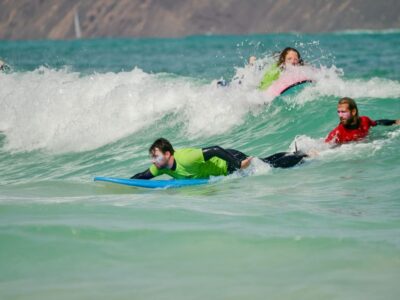 ★ 4.8Surf Lesson for All Levels and AgesFrom $59205 reviews
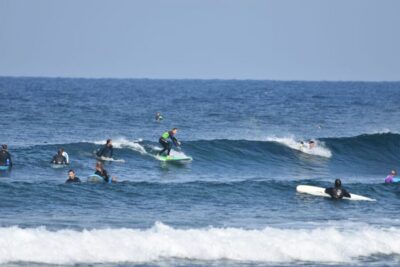 ★ 4.7Corralejo Surf LessonFrom $59186 reviews
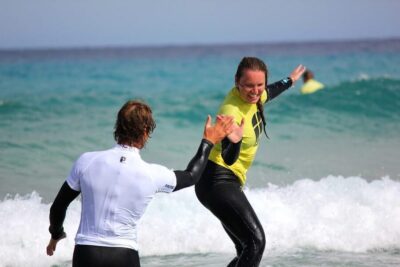 ★ 4.8Fuerteventura South: Learn to surf on stunning beaches!From $60162 reviews
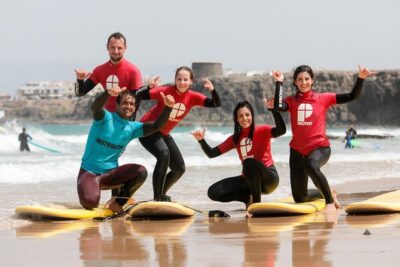 ★ 4.5Surf Class at CorralejoFrom $78122 reviews
 ★ 4.51 Day Surf Lesson BeginnerFrom $6387 reviews
 ★ 4.9Learn to Surf LessonFrom $5965 reviews
Browse the lists this tour appears in