
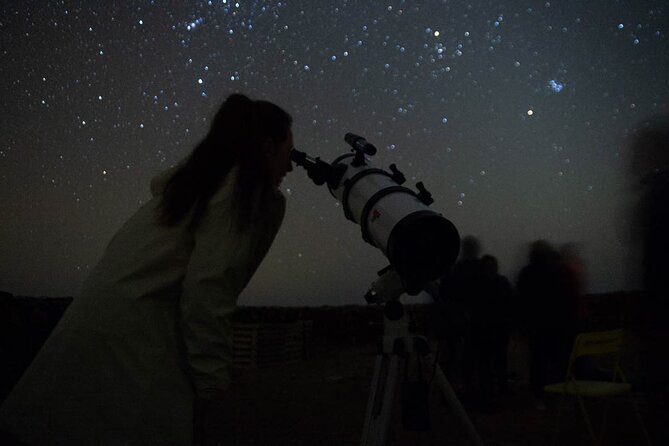
Reviewed · CORRALEJO DUNES & SAND ADVENTURES
Stargazing from Dunes of Corralejo, Starlight Guide
Stars over Corralejo feel close enough to touch. This small-group stargazing evening drops you into the Corralejo Dunes for a guided tour of stars and planets with telescopes and laser pointers. You’ll watch from rugs and blankets with the ocean in the background, then wrap up back at the meeting point after about 1.5 to 2 hours.
I especially like two things about this experience: the Canary Islands Astrophysics Institute–accredited Starlight Guide (for many nights, the guide is Karen) who teaches basic astronomy in a clear, practical way, and the comfort level. You’re not out there cold and uncomfortable on your own; you get a rug and blanket per person, plus binoculars and professional telescopes.
The main thing to consider is that it’s weather dependent, and you’ll walk about 5 minutes on loose dune sand to reach the best viewing spot. If you have mobility concerns, the operator notes easier alternatives at Los Molinos (and Pozo Negro for people south of Fuerteventura) with no walking involved.
In This Review
- Key Highlights You’ll Actually Notice
- Corralejo Dunes After Sunset: Why This Spot Works
- The Starlight Guide Factor: How the Lesson Stays Simple
- Telescopes, Laser Pointers, and What You Can Spot
- What the 1.5–2 Hour Evening Actually Feels Like
- Timing and Pickup Windows: When You’ll Be Out There
- Pickup Rules: Who Gets Collected and Where You’ll Start
- Value Check: What You’re Paying for at $64.10
- What to Wear and How to Prep for a Cold, Clear Night
- Who Should Book This Stargazing Session
- Should You Book Stargazing from Dunes of Corralejo?
- FAQ
- How long is the stargazing tour?
- Where does the tour start, and is there pickup?
- How do I know what time I’ll be picked up?
- What will I be able to see?
- Does the tour run on full moon nights?
- Is it suitable if I have mobility issues?
- What’s included in the price?
Key Highlights You’ll Actually Notice
- Institute-accredited Starlight Guide for a beginner-friendly night-sky lesson
- Rug and blanket per person, plus binoculars and professional telescopes
- Small group (max 13) for a more personal view through the instruments
- Clear viewing strategy: regular nights often run Monday and Friday, usually avoiding full moon dates
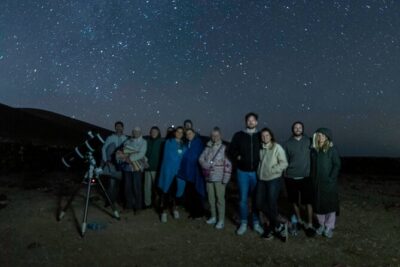
- Photo included: you get a group shot and a link afterward
Corralejo Dunes After Sunset: Why This Spot Works
Corralejo’s dunes give you the kind of open, dark setting that makes stars feel bigger. The experience starts near the main Corralejo area, then you do a short 5-minute walk on loose sand to reach the dunes’ viewing area. Once you’re there, you spread out on your rug or blanket, look up, and let the night sky do the heavy lifting.
I also like the “real world” feel of it. This is not a sit-and-listen lecture. You’re outside with wind coming and going, ocean sounds in the distance, and a sky that you can actually see with your eyes before anyone brings out the telescope.
One practical note: pickup and viewing logistics depend on where you’re staying and how you move around. If mobility is a concern, the operator specifically recommends an observation at Los Molinos for easier access. If you’re south of Fuerteventura, they suggest Pozo Negro as an option, and they state there’s no walking involved at those alternatives.
More time out on the Corralejo dunes
- Popcorn Beach, Isla de Lobos y Dunas: ¡Popcorn Beach!
★ 4.9 · 264 reviews - Stargazing from Dunes of Corralejo, Starlight Guide
★ 5.0 · 106 reviews - Fuerteventura :Dunas Corralejo, La Oliva Iglesia:¡cruceros!
★ 4.1 · 81 reviews - Jandia Peninsula: Natural Park, Sotavento, Dunes&Morro Jable
★ 4.3 · 59 reviews - Private Pro Photoshoot in the Dunes of Corralejo
★ 5.0 · 33 reviews
The Starlight Guide Factor: How the Lesson Stays Simple
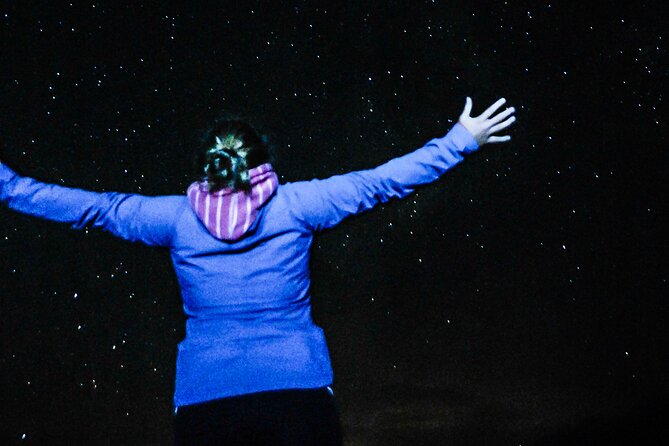
A big part of the value here is the teaching style. The Starlight Guide is accredited by the Canary Islands Astrophysics Institute, and the night is designed around basic astronomy that doesn’t assume you know star names or astronomy terms.
The guide uses a mix of pointing tools and viewing time. You’ll have laser pointers to help you connect what you’re seeing with the real sky map in your head. Then you’ll move from general skywatching to higher-detail views using the binoculars and telescopes.
Karen is mentioned often, and that matters because you’re paying for the human part: the explanations, the pacing, and the excitement. Multiple experiences highlight how the guide was friendly, organized, and clear even for people who felt like complete beginners. You also get the feeling the guide genuinely cares about getting you to see what’s possible on that particular night.
Weather is the other teaching moment, in a way. Because cloud cover can change everything, the operator communicates with guests when conditions are shaky, and the plan can shift. In at least one case, a night was rescheduled to the following evening so the group still had a chance at a clearer sky.
Telescopes, Laser Pointers, and What You Can Spot
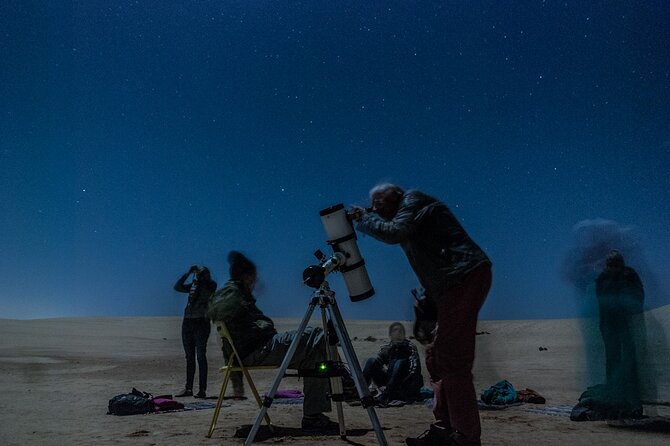
This tour is built around “look with your eyes first, then zoom in.” You’ll start by learning the sky basics—how to find recognizable points, how constellations sit in relation to each other, and what to expect as the night progresses. Then the guide helps you see specific objects with the instruments.
From the sightings described on many nights, you can reasonably expect a mix like:
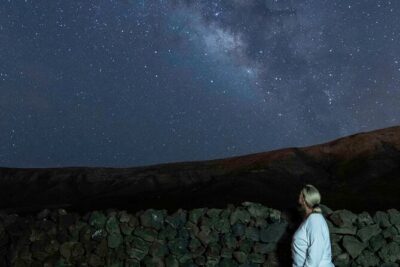
- The Milky Way visible in dark conditions
- Venus, plus Polaris and Mars
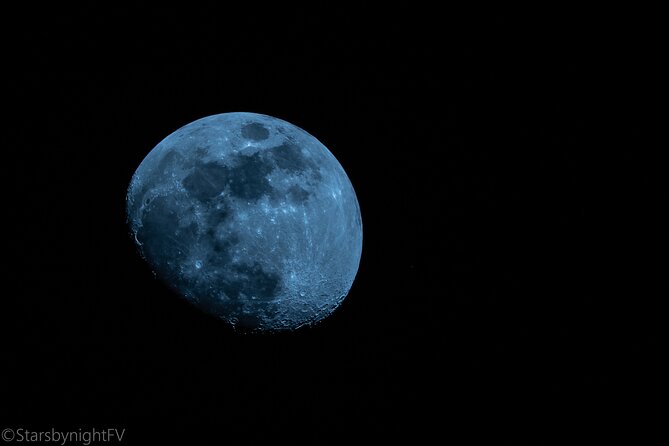
- Moon rising and highlights that the Moon adds (and takes away)
- Saturn with its rings through the telescope
- Jupiter and its moons through the telescope
- Constellations called out clearly, including Taurus and Cancer
- Occasional shooting stars when timing and conditions line up
One honest takeaway: nothing here is guaranteed like a theme park show. The operator runs stargazing regularly, but the stars you see will depend on cloud cover and sky conditions on the night you attend. That’s also why they often avoid full moon dates for the Corralejo Dunes sessions. A bright moon can wash out faint stars and the Milky Way.
Still, even when the view is mixed, this format helps you get something out of the night. If clouds thin out, you can sometimes get a window of clear viewing, and the pace is set up so you’re not rushed past the best moments.
What the 1.5–2 Hour Evening Actually Feels Like
Plan on a short, focused evening rather than a long night out. The total time is listed at about 2 hours (approx.), and the stargazing itself runs around 1.5 to 2 hours.
Here’s the flow you should expect:
- Pickup and arrival near Corralejo
Pickup is offered only within a 5 km radius of Corralejo. Your actual pickup time is confirmed the night before, and it falls within seasonal windows (more on that below).
- Short walk to the dunes
You’ll walk roughly 5 minutes on loose sand to reach the viewing area. This is part of the “dunes” experience, but it’s the one part that can feel tricky on uneven footing.
- Settle in with your rug and blanket
Each person gets a rug and blanket. This matters more than you’d think because stargazing means you’ll be stationary for stretches of time.
- Guided sky lesson with laser pointers
The guide points, explains, and helps you find your bearings fast. Even if you don’t care about star signs, you’ll still enjoy the real patterns and highlights.
- Binoculars and telescope viewing
This is where you shift from seeing a “star field” to seeing individual planets and details like Saturn’s rings.
- Photo moment
The operator photographs you during the tour and shares the image with you via a link after.
It’s a simple rhythm, and that simplicity is why it works. You’re not crammed into a long program. You get time to look, time to ask questions, and time to enjoy the sky when it’s actually dark and clear.
Timing and Pickup Windows: When You’ll Be Out There
The meeting timing is based on sunset. Officially, meet times vary by season, and they note it’s about 1 hour after sunset. You might see different listed start times depending on the season (like 18:00 or 21:00), but the operator emphasizes those are approximate.
What you can count on is this:
- Summer pickup: expect pickup between 20:30 and 22:00
- Winter pickup: expect pickup between 17:00 and 20:00
Your actual pickup time is confirmed by message the night before, which is a helpful way to avoid confusion. Also, you use a mobile ticket, so keep your phone charged and handy.
There’s one more timing detail worth noting: Corralejo Dunes observations are typically on Mondays and Fridays, usually except on full moon dates. Sometimes extra dates get added. If you can’t book your ideal night, check nearby dates rather than giving up.
More stargazing and moonlit walks
Pickup Rules: Who Gets Collected and Where You’ll Start
This is one of those tours where the “start” logistics can make or break your evening, so I’d plan around it early.
Pickup is only offered within 5 km of Corralejo. If your address isn’t listed, you’re asked to add it manually in the booking. If you’re outside that radius, you should expect to meet at the start point instead.
The operator also states they do not collect from several areas, including:
- South of the island such as Costa Calma, Jandia, Sotavento, etc.
- Caleta areas and Puerto Rosario for this observation
- El Cotillo, Lajares, and Majanicho
Your start point is listed at P565+F3, 35660 Corralejo, Las Palmas, Spain, and the activity ends back at the same meeting point.
If you’re used to island tours that pick you up from almost everywhere, this limited pickup zone is the main thing to double-check so you don’t end up rushing across Corralejo at the last minute.
Value Check: What You’re Paying for at $64.10
At $64.10 per person, this is not a budget “just show up and look” thing. You’re paying for several concrete pieces of value:
- An institute-accredited guide (Starlight Guide accredited by the Canary Islands Astrophysics Institute)
- Equipment included: binoculars and professional telescopes
- Comfort provided: a rug and blanket per person
- A small group size (max 13), which helps you actually see through the instruments instead of waiting forever
- Practical safety/legitimacy items noted by the operator, including up-to-date licensing and civil responsibility insurance
- A photo included, shared via link, which gives you a souvenir beyond memory
The weather factor also folds into the value. This experience requires good conditions, and the operator notes that if it’s canceled due to poor weather, you’ll be offered an alternative date or a full refund. When weather doesn’t cooperate, that matters because your money isn’t stuck on a cloudy night.
Finally, the timing helps you decide. You’re getting a real, guided night-sky experience in a short window—perfect if you don’t want to commit to a whole evening tour, but still want more than a quick star lecture from a crowded beach.
What to Wear and How to Prep for a Cold, Clear Night
Even in a warm place, dunes and night skies mean cooler temperatures and wind. One thing I’d treat as non-negotiable: bring warm layers. In the experiences shared, people specifically mentioned that the night got chilly and that the right clothing made it comfortable enough to enjoy the sky.
Other small prep ideas that help:
- Wear shoes that handle loose sand for the short walk.
- Bring a phone for the mobile ticket and for later photo viewing.
- If you’re sensitive to cold, bring an extra layer. You’ll be sitting still longer than you think.
If you’re going with kids, this is often an easier sell than you’d expect because the viewing is hands-on: pointing out constellations, showing planets through a telescope, and then letting them watch the sky unfold.
If you have service animals, the operator states they’re allowed.
Who Should Book This Stargazing Session
I think this works best if you fit one of these moods:
- You want beginner-friendly astronomy without feeling talked down to
- You care about seeing planets and the Milky Way, not just general sky photos
- You’d enjoy an evening that’s good for couples or a family group
- You like small groups and guided time rather than a free-for-all
It might not be ideal if:
- You have significant mobility limits and need zero walking. The operator notes that the Corralejo Dunes option includes a short walk on loose sand, but they offer easier alternatives (Los Molinos and Pozo Negro) for specific situations.
- You’re booking late in the game and flexible dates aren’t possible. These nights are often scheduled for Mondays and Fridays, and they may shift with weather.
Should You Book Stargazing from Dunes of Corralejo?
Yes, if you want a structured stargazing night with real equipment, an accredited guide, and comfort handled for you. The combination of instruments, clear guidance, and a dune setting close to Corralejo makes the experience feel like a proper night-sky session, not a random “look up for five minutes” activity.
I’d book it especially if you’re hoping to see the Milky Way or planets like Jupiter and Saturn, because this format is designed to help you find the right targets and keep the evening moving at a pace that lets the sky impress you. Just do yourself a favor: bring warm layers, confirm your pickup time the night before, and be ready to adjust to cloud changes.
FAQ
How long is the stargazing tour?
It lasts about 2 hours (approx.), and the stargazing portion is described as around 1.5 to 2 hours.
Where does the tour start, and is there pickup?
The meeting point is listed at P565+F3, 35660 Corralejo, Las Palmas, Spain. Pickup is offered only within a 5 km radius of Corralejo.
How do I know what time I’ll be picked up?
Meet times vary seasonally and start about 1 hour after sunset. Your actual pickup time is confirmed by message the night before, and it falls within summer (20:30 to 22:00) or winter (17:00 to 20:00) windows.
What will I be able to see?
You’ll use telescopes and laser pointers to observe stars and celestial objects. Sightings mentioned include the Milky Way, Venus, Polaris, Mars, moon rising, Saturn (with rings), Jupiter (and its moons), and constellations such as Taurus and Cancer.
Does the tour run on full moon nights?
Regular observations in the Corralejo Dunes are usually on Mondays and Fridays, except on a full moon.
Is it suitable if I have mobility issues?
The Corralejo Dunes option includes a short walk on loose sand for about 5 minutes and is not recommended for people with mobility issues. For easier access, the operator recommends Los Molinos, and Pozo Negro for guests south of Fuerteventura, with no walking involved.
What’s included in the price?
Included items are binoculars and professional telescopes, a rug and blanket for each person, the accredited Starlight Guide, and a tour photo shared via link. The tour also notes licensing and civil responsibility insurance.
More Stargazing & Moonlit Walks
- From Fuerteventura: Sunset Hike at Volcano with Scenic Views
★ 4.7 · 122 reviews - Stargazing from Los Molinos area, Starlight Guide
★ 5.0 · 38 reviews - Stargazing from Pozo Negro area, Starlight Guide
★ 5.0 · 25 reviews - Fuerteventura sunset hike to the wild west coast
★ 4.9 · 14 reviews
More Days on the Corralejo Dunes
- Fuerteventura: Corralejo Sand Dunes Guided Shore Excursion
★ 4.6 · 335 reviews - Popcorn Beach, Isla de Lobos y Dunas: ¡Popcorn Beach!
★ 4.9 · 264 reviews - Fuerteventura :Dunas Corralejo, La Oliva Iglesia:¡cruceros!
★ 4.1 · 81 reviews - Jandia Peninsula: Natural Park, Sotavento, Dunes&Morro Jable
★ 4.3 · 59 reviews
Still deciding? More Fuerteventura tours and crossings we have been out on ourselves


More Corralejo Dunes & Sand Adventures, head to head.
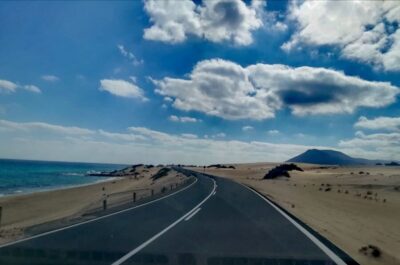 ★ 4.6Corralejo Sand Dunes Guided Shore ExcursionFrom $23335 reviews
 ★ 4.9Popcorn Beach, Isla de Lobos y Dunas: ¡Popcorn Beach!From $88264 reviews
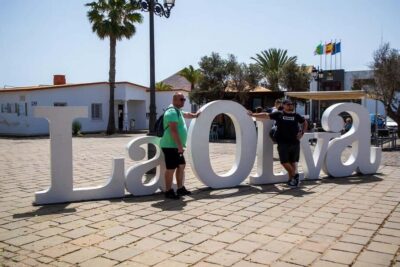 ★ 4.1Dunas Corralejo, La Oliva Iglesia:¡cruceros!From $4681 reviews
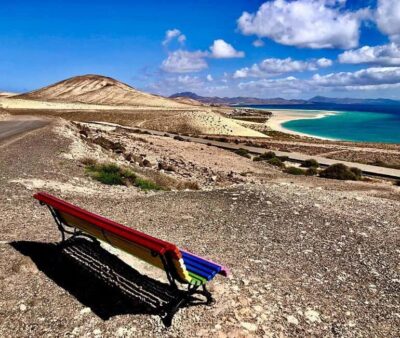 ★ 4.3Jandia Peninsula: Natural Park, Sotavento, Dunes&Morro JableFrom $6359 reviews
 ★ 5.0Private Pro Photoshoot in the Dunes of CorralejoFrom $25233 reviews
Browse the lists this tour appears in