
Reviewed · TOURS
The Animal Academy – Shelter Tour
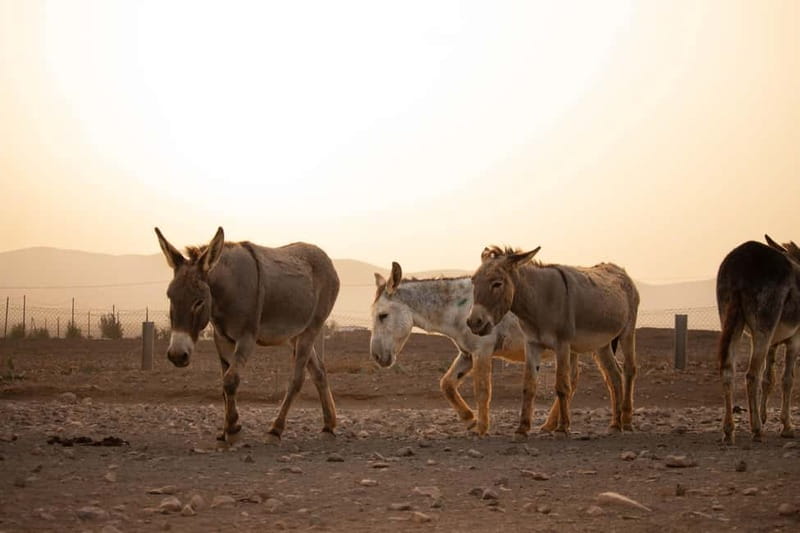
Meet rescued farm animals up close. This guided shelter visit at the Animal Academy is a chance to meet 200+ farm animals and learn what it takes to rehabilitate abused and neglected lives, with time to linger after the talk.
Two things I really like: you’re not just watching, you’re directly supporting a working non-profit, and the guided hour is built around individual animal stories (with hosts like Javier and Fran showing up in multiple visits). One heads-up: the tour is heavy on spoken information, so very young kids or anyone not fluent in English/Spanish may find it harder to stay engaged.
In This Review
- Key Highlights You’ll Actually Feel
- Entering a Working Sanctuary, Not a Public Zoo
- The 200+ Farm Animals and the Stories Behind Them
- The Two-Part Visit: Guided Hour, Then Free Time to Connect
- Petting Rules, No Treats, and How to Be a Good Guest
- Price and Value: Why $23 Feels Reasonable Here
- Getting There by Dirt Road: Plan Your Timing and Transport
- What to Expect From the Tour Pace (and Who It Suits Best)
- Should You Book the Animal Academy Shelter Tour?
- FAQ
- How long is the Animal Academy shelter tour?
- Where is the meeting point?
- Is this a petting zoo?
- Can I bring food or treats for the animals?
- Can I bring my pets?
- Are there any rules about riding the animals?
- What’s included in the ticket price?
- What languages is the tour guide available in?
- Is the tour wheelchair accessible?
- What should I wear or bring?
- Is cancellation possible?
Key Highlights You’ll Actually Feel
- Small group of up to 10 means you’re not lost in a crowd while you hear the animals’ backstories
- Two-part visit: about one guided hour, then open time to walk and connect on your terms
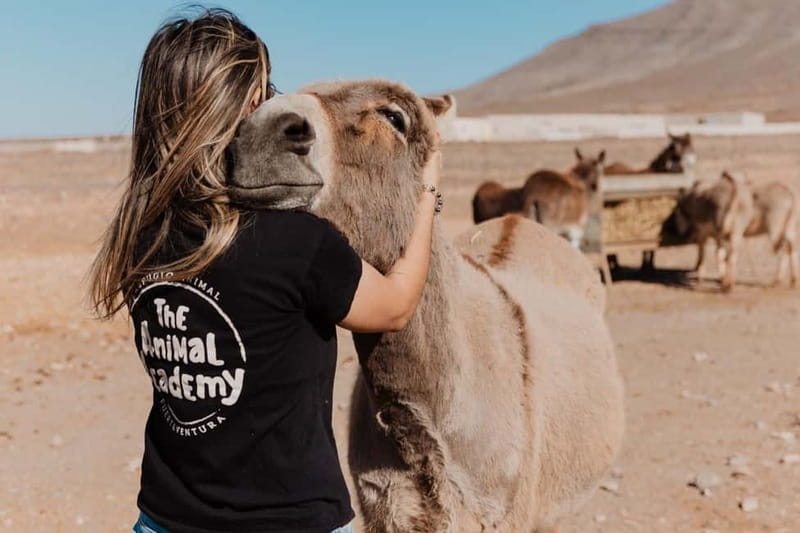
- Not a petting zoo but the animals can be affectionate if they approach you
- 200+ farm animals including donkeys, goats, horses, sheep, pigs, and more
- Run by a family non-profit focused on rehabilitation and long-term care
Entering a Working Sanctuary, Not a Public Zoo
The Animal Academy shelter tour is different from the usual animal attraction. The key point is simple: this place is not open to the public, so your visit happens only through the scheduled guided tour. That matters, because you’re stepping into a system built around care, routines, and animal safety, not around entertainment.
You’ll also notice the tone right away when you arrive: this is a working sanctuary where people rescue, rehabilitate, and care for farm animals that have suffered abuse, abandonment, and/or neglect. The animals live on-site, and the visit is structured to respect that. In practice, that means you won’t be herded through a “show,” and you won’t be pushed into interactions you didn’t consent to.
One extra detail that makes a real difference: you meet outside the entrance gate and you’re asked not to open it. The reason is safety. Loose animals can happen, and the gate stays closed until the guide clears you to enter. It’s a small instruction, but it’s the kind that signals how serious the team is about animal welfare and visitor safety.
The 200+ Farm Animals and the Stories Behind Them
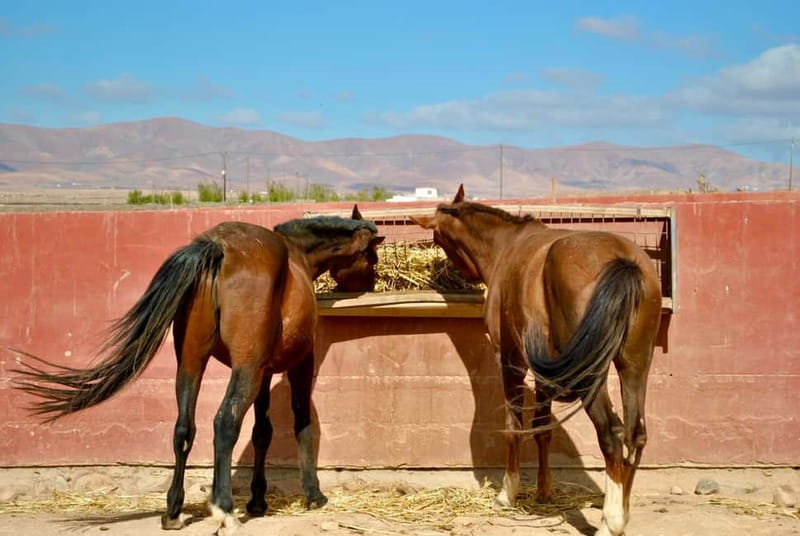
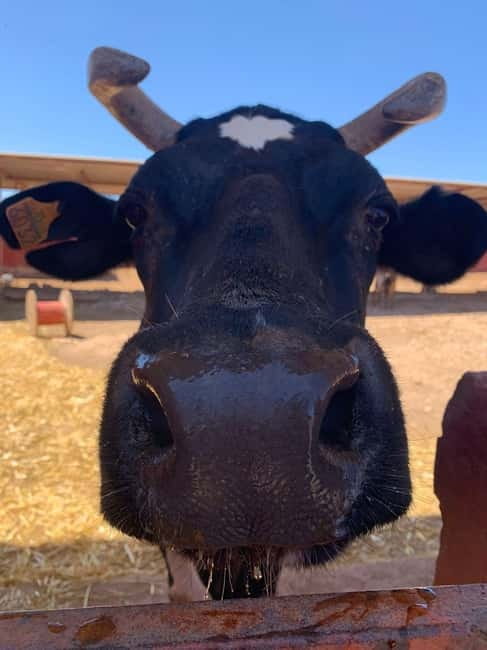
This is one of the most consistently praised parts of the experience. The shelter houses over 200 animals, and the tour is paced around meeting them and learning their individual stories. You can expect to see donkeys, goats, horses, sheep, pigs, and more. Many of the animals are described as friendly, sometimes affectionate, and often eager to approach during the visit.
What makes this more than “cute animal time” is the way the tour is explained. A good portion of what you’ll hear centers on why each animal ended up at the shelter and what the care plan looks like now. In several accounts, hosts like Javier and Fran are mentioned for giving detailed explanations and for remembering animals by name, not just reciting facts. That animal-by-animal attention is part of the value: it turns your visit into something closer to understanding a case file, not a photo stop.
You might also see how the team talks about behavior and needs. That matters because it helps you interpret what you’re seeing. For example, if an animal approaches you calmly, you’ll understand that as trust-building rather than a “trick.” And if an animal keeps distance, you’ll know it’s not rejection as much as boundaries and comfort.
The Two-Part Visit: Guided Hour, Then Free Time to Connect
Your total time on-site is roughly 2 hours. It’s split into two parts, and the flow is designed to balance information with personal time.
First comes the guided tour, typically around an hour. You’ll follow your guide around the shelter, meeting animals and hearing how the sanctuary works. This is where most of the spoken content happens, and it’s also where you get context that will make the second part feel more meaningful.
After the tour, you get free time to walk at your own pace. This is where you can linger with the animals that made the strongest connection. The idea is not to rush you through everything. It’s also not about “doing” every pen. Instead, you can slow down, observe, and interact only if the animal chooses to.
One practical takeaway: wear shoes you can move in comfortably. Dirt paths and uneven ground are part of the setting, and you’ll likely want to keep your legs ready for unplanned stops while animals come closer.
Petting Rules, No Treats, and How to Be a Good Guest
This is a place where “please be kind” is not a slogan. It’s built into the visit rules.
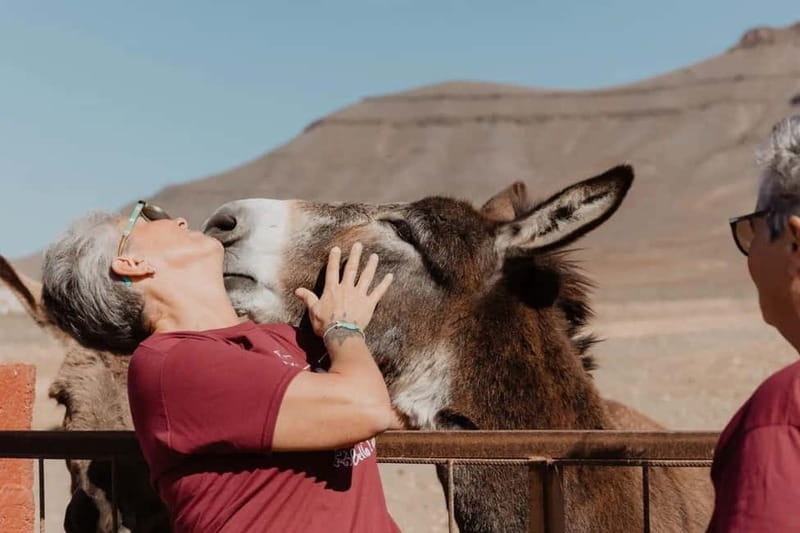
The sanctuary is not a petting zoo, and you’ll never be forced to interact. The animals may be affectionate and can love cuddles, but petting only happens when they approach or show interest. That’s important for both sides. When you treat the interaction as voluntary, you reduce stress on the animals and keep the bond respectful.
You also need to skip food and treats. The instructions are clear: don’t bring food or treats for the animals. Some animals have allergies or intolerances, and feeding without supervision could cause real harm. Even if you think the animal looks friendly, the safest route is to follow the sanctuary’s rules.
Other “don’t” items are also part of maintaining calm and safety:
- No riding the animals
- No pets allowed (assistance dogs are an exception)
- No alcohol and drugs
If you want cuddles, the best strategy is patience. Stand still, let the animal approach, and keep your movements slow. It’s not about getting a photo; it’s about earning trust.
Price and Value: Why $23 Feels Reasonable Here
At $23 per person for a 1-day experience, this tour can feel like a small price tag. But value isn’t just cost. It’s what your money actually supports.
In this case, your ticket helps fund ongoing rescue efforts and daily care. This sanctuary operates as a family-owned non-profit association, and many accounts emphasize that the work happens in difficult conditions with limited funding. That makes a direct-support model matter. You’re paying for access and interpretation (the guided hour), but your payment also becomes practical resources for the animals’ rehabilitation and upkeep.
The best way to think about the price is time plus impact. You get two hours on-site, a guided talk that explains the animals’ backgrounds, and then time to connect on your terms. That’s a lot for a single outing, especially compared with entertainment-style animal visits where the animal’s needs are less central.
One more value signal: the small group size (limited to 10) means your money buys attention and quieter interaction, not a rushed crowd experience.
Getting There by Dirt Road: Plan Your Timing and Transport
This tour includes a guided visit, not a ride. There’s no transfer or pick-up, so you need to get yourself there.
The good news is access is straightforward for most visitors: the shelter is reachable via simple dirt roads suitable for all vehicles. Still, do check your vehicle insurance policy about off-road driving. That’s not a scare tactic; it’s a real-world detail that can save you stress.
Also pay attention to the meeting instructions. Wait outside the entrance gate, and do not open it. If you arrive early, don’t improvise. Just wait, keep your group together, and let the guide handle entry when it’s safe.
What to bring is equally practical:
- Comfortable shoes
- Sun protection (sunglasses, sun hat, sunscreen)
- Water
- Comfortable clothes
Given the open-air nature of farm animal areas, sun and heat planning can make the difference between an enjoyable visit and a rushed one.
What to Expect From the Tour Pace (and Who It Suits Best)
Most people come for animals, but the format will shape whether the experience feels great or just okay.
The guided hour involves a lot of spoken information. This is ideal if you like listening and learning as you go. It’s less ideal if you’re traveling with infants, small children, or anyone who isn’t fluent in the tour language (English or Spanish). In those cases, you might find yourself managing attention spans more than taking in the stories.
That said, many families describe a positive experience, especially when kids can observe animal behavior up close and when the animals approach calmly. The free time after the guided portion also helps, because it gives you room to move at a pace that works for your group.
Here’s who this tour fits especially well:
- You want to support a real farm animal rescue, not a show
- You like learning specific animal stories, not just general facts
- You’re comfortable with a “respect the animal’s space” interaction style
- You enjoy small-group experiences where your questions matter
It’s not for you if you’re looking for guaranteed cuddling on demand, because interactions are always on the animals’ terms.
Should You Book the Animal Academy Shelter Tour?
I think this is a strong booking choice if your trip includes time in the right area and you want an animal-focused outing with real purpose. The main reasons to book are also the most practical: small group access, a guided hour that explains the animals’ backgrounds, and a second phase where you can connect without pressure.
I’d skip it only if spoken content will be a struggle for your group, or if you need a highly predictable interaction. This is a working sanctuary, so the “schedule” includes animal comfort, not just visitor convenience.
If you’re choosing between “see animals” and “support care,” the Animal Academy leans hard toward the second one. And with a $23 price, you’re not paying like it’s a luxury experience. You’re paying to help keep the rescue running.
FAQ
How long is the Animal Academy shelter tour?
The whole experience is roughly 2 hours total. About 1 hour is a guided tour, followed by free time to explore at your own pace.
Where is the meeting point?
Meet outside the entrance gate. You should not open the gate.
Is this a petting zoo?
No. The shelter is not a petting zoo. You can pet animals only if they choose to approach you, and you will not be forced to interact.
Can I bring food or treats for the animals?
No. You’re kindly asked not to bring food or treats because some animals have allergies or intolerances.
Can I bring my pets?
Pets are not allowed. Assistance dogs are allowed.
Are there any rules about riding the animals?
Yes. Riding the animals is not allowed.
What’s included in the ticket price?
The ticket includes the guided tour around the shelter. Free time after the tour is also part of the visit.
What languages is the tour guide available in?
The live tour guide is available in English and Spanish.
Is the tour wheelchair accessible?
Yes, it’s listed as wheelchair accessible.
What should I wear or bring?
Bring comfortable shoes, sunglasses, sun hat, sunscreen, and water. Wear comfortable clothes.
Is cancellation possible?
Yes, free cancellation is offered up to 24 hours in advance for a full refund.
More Tours, head to head.
 ★ 4.3Jandía Natural Park & The Puertito Buggy TourFrom $1651,263 reviews
 ★ 4.4Lanzarote Volcano and Wine Region TourFrom $981,220 reviews
 ★ 4.4Dune Buggy Tour in Northern FuerteventuraFrom $1281,035 reviews
 ★ 4.9Cofete Beach and “Villa Winter” TourFrom $53953 reviews
 ★ 4.52h Dolphin and Whale Viewing + Snorkeling TourFrom $62940 reviews
 ★ 4.8Wild North and Corralejo Tour From the SouthFrom $88794 reviews
 ★ 5.04-Hour Sailing Tour of Lobos Island from FuerteventuraFrom $75785 reviews
 ★ 4.7Island Tour by MinibusFrom $412722 reviews